Foods for Sun Protection: What to Eat Before and After Sun Exposure
SPF is non-negotiable — but what you eat before and after sun exposure also plays a measurable role in how your skin handles UV stress. Certain foods for sun protection deliver antioxidants, fatty acids, and pigments that support your skin's resilience from within. Nutrition is a powerful inside-out complement to topical sun care. Here's what to put on your plate — and when.
How Diet Supports Skin Against UV Damage
What you eat directly influences how your skin responds to ultraviolet light. The connection is biological, not anecdotal.
FREE RADICALS, ANTIOXIDANTS, AND UV STRESS
UV exposure triggers the production of free radicals in the skin — unstable molecules that damage cells, break down collagen, and accelerate visible aging. Dietary antioxidants help neutralize this oxidative damage from inside the body. Food does not replace sunscreen. It complements it.
KEY NUTRIENTS THAT SUPPORT SUN-EXPOSED SKIN
Nutrient | Key Food Sources | Benefit for Sun-Exposed Skin |
Carotenoids | Carrots, sweet potatoes, bell peppers | Accumulate in skin; mild photoprotective effect |
Vitamin C | Bell peppers, cauliflower, leafy greens | Supports collagen synthesis and post-UV repair |
Omega-3 fatty acids | Salmon, nuts, avocados | Strengthens skin barrier; reduces UV-triggered inflammation |
Polyphenols | Green tea, grapes, blueberries | Protect skin cells against oxidative UV stress |
Lycopene | Tomatoes, watermelon | Linked to reduced UV-induced skin damage in research |
Foods to Eat Before Sun Exposure
Think of this as your pre-sun plate — nutrients to prioritize in the days and hours leading up to time outdoors.
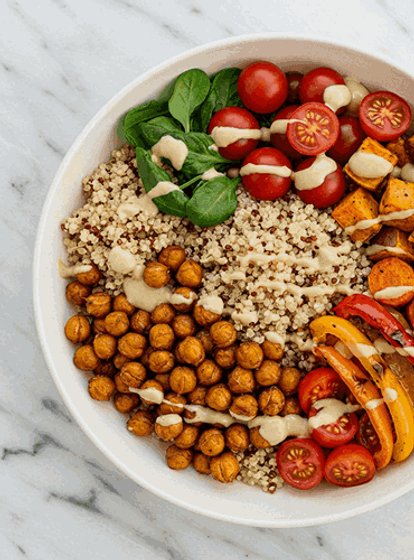
CAROTENOID-RICH FOODS : CARROTS, SWEET POTATOES, AND BELL PEPPERS
Carotenoids, including beta-carotene and lutein, are fat-soluble pigments that accumulate in the skin over time. Research shows they provide a mild but measurable photoprotective effect by absorbing UV light and neutralizing free radicals at the skin's surface. Top sources to add to your diet: carrots, sweet potatoes, and red orange yellow peppers.
LYCOPENE-RICH FOODS : TOMATOES AND WATERMELON
Lycopene is a powerful carotenoid found primarily in tomatoes and watermelon. A meta-analysis of clinical studies found that regular lycopene intake was associated with reduced UV-induced skin redness and damage. One practical detail: cooked tomatoes — in sauces, soups, or roasted — deliver significantly higher lycopene bioavailability than raw ones.